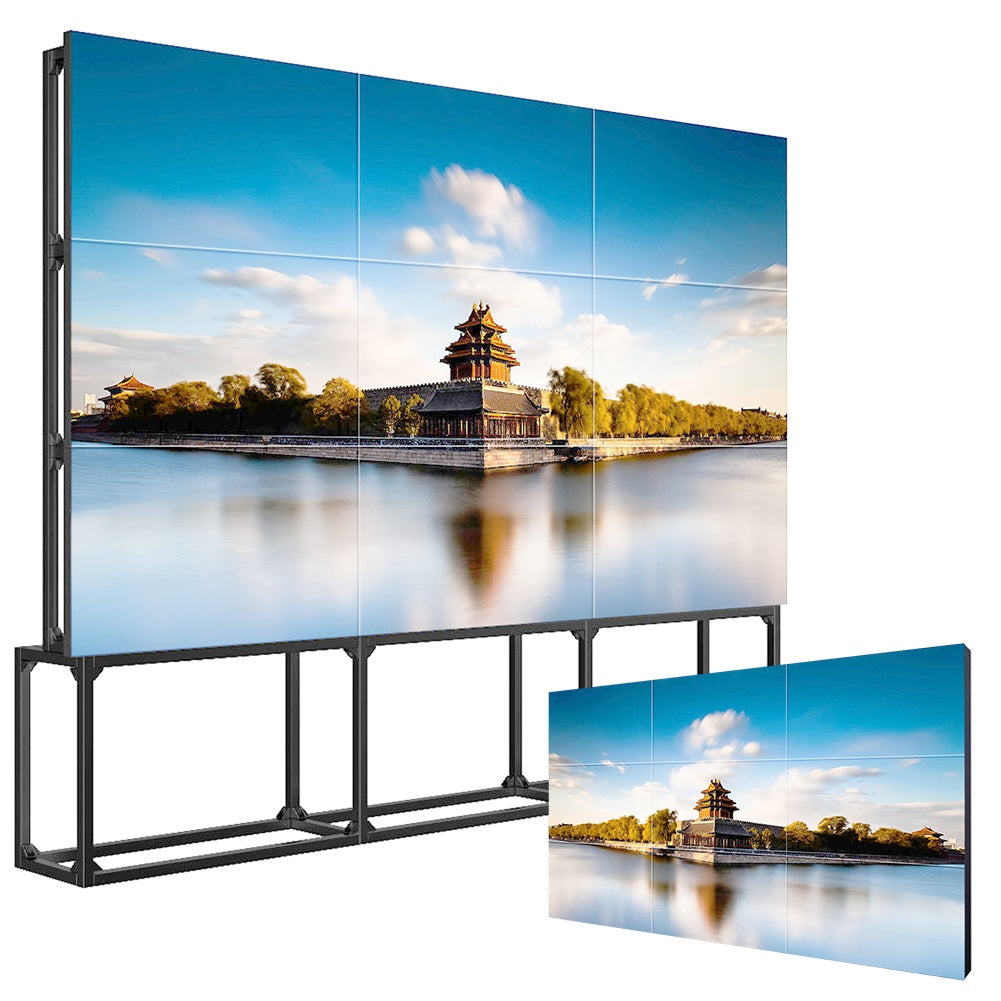

A handoff-ready hardware checklist for system integrators aligning display, player, CMS, network, enclosure, mounting, power, service and acceptance responsibilities.
Key takeaways
- Define interfaces and owners before choosing components.
- Record exact player, OS, ports and network assumptions.
- Design mounting, cooling and service as part of hardware.
- Turn requirements into repeatable acceptance tests.
Create a responsibility matrix first
Many integration failures occur between suppliers rather than inside one component. Name who provides the display, player, CMS license, connectivity, mount, enclosure, content setup, installation, monitoring and field service.
For every interface, define the input, output and evidence of success. “CMS compatible” is too vague; “scheduled 4K video playlist resumes after power loss on approved player build” is testable.
Display specification
Document size, orientation, resolution, input method, expected operating schedule, ambient-light condition, viewing task, bezel limits and any model-specific environmental requirements.
Add image-quality acceptance items such as uniformity, bright or dark pixel policy, color consistency and physical appearance. Acceptance thresholds must be agreed before production.

Player and software environment
Record processor or PC configuration, OS and version, storage, memory, codec requirements, browser engine, app version, kiosk mode, remote access and update policy.
Freeze the approved build where possible. If software changes after sample approval, rerun the compatibility and recovery tests.
Network, security and time
List Ethernet, Wi-Fi or cellular method, ports and domains, proxy requirements, certificates, time synchronization, bandwidth assumptions and offline behavior. Coordinate security decisions with the customer’s IT team.
Document credential ownership without placing secrets in the hardware checklist. The deployment record should state who provisions and rotates access.
Power, mounting and environment
Confirm voltage, plug, circuit, startup sequence, scheduled shutdown, surge strategy and site access. Match mount and fasteners to display, orientation and structure.
Review ventilation, sunlight, dust, moisture and temperature for the exact location. General product category labels do not replace a site-specific assessment.
Acceptance and change control
Create tests for boot, content playback, audio if used, network loss, power recovery, scheduling, remote management, image quality and enclosure inspection. Record results, photos, software versions and serial numbers.
Changes after approval should identify impact, owner and retest scope. This discipline protects both integrator margin and end-customer uptime.
Decision table
| Layer | Key questions | Acceptance evidence |
|---|---|---|
| Display | Size, orientation, duty, image criteria? | Inspection record |
| Player/CMS | Approved build and recovery behavior? | Playback test log |
| Network | Access, time, offline behavior? | Connectivity test |
| Physical | Mount, power, cooling, service? | Site checklist |
Pre-purchase checklist
- Responsibility matrix approved
- Display model and orientation frozen
- Player/OS/app build recorded
- Network requirements approved by IT
- Mount/power/environment reviewed
- Acceptance test and change-control process signed off
Frequently asked questions
Who should own the final hardware checklist?
The lead integrator should maintain one controlled version with inputs and approvals from hardware, software, IT and installation parties.
When should compatibility testing happen?
Before volume purchase, using the intended player, CMS build, content and network conditions.
What should be frozen after sample approval?
At minimum, display configuration, player hardware, OS/app versions, ports, settings and acceptance criteria.
Continue your research
Editorial note: This guide provides a project-planning framework. Final specifications, environmental ratings, warranty coverage and acceptance criteria must be confirmed for the exact model and purchase agreement.