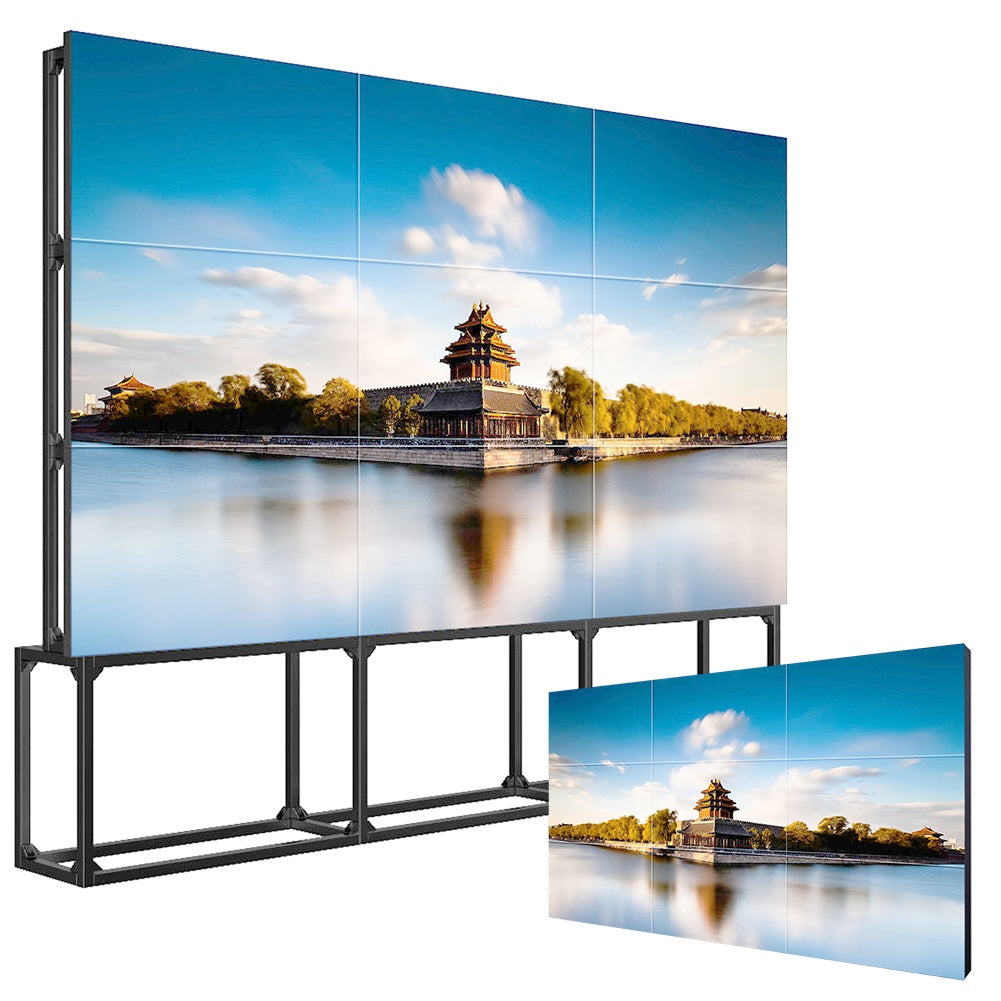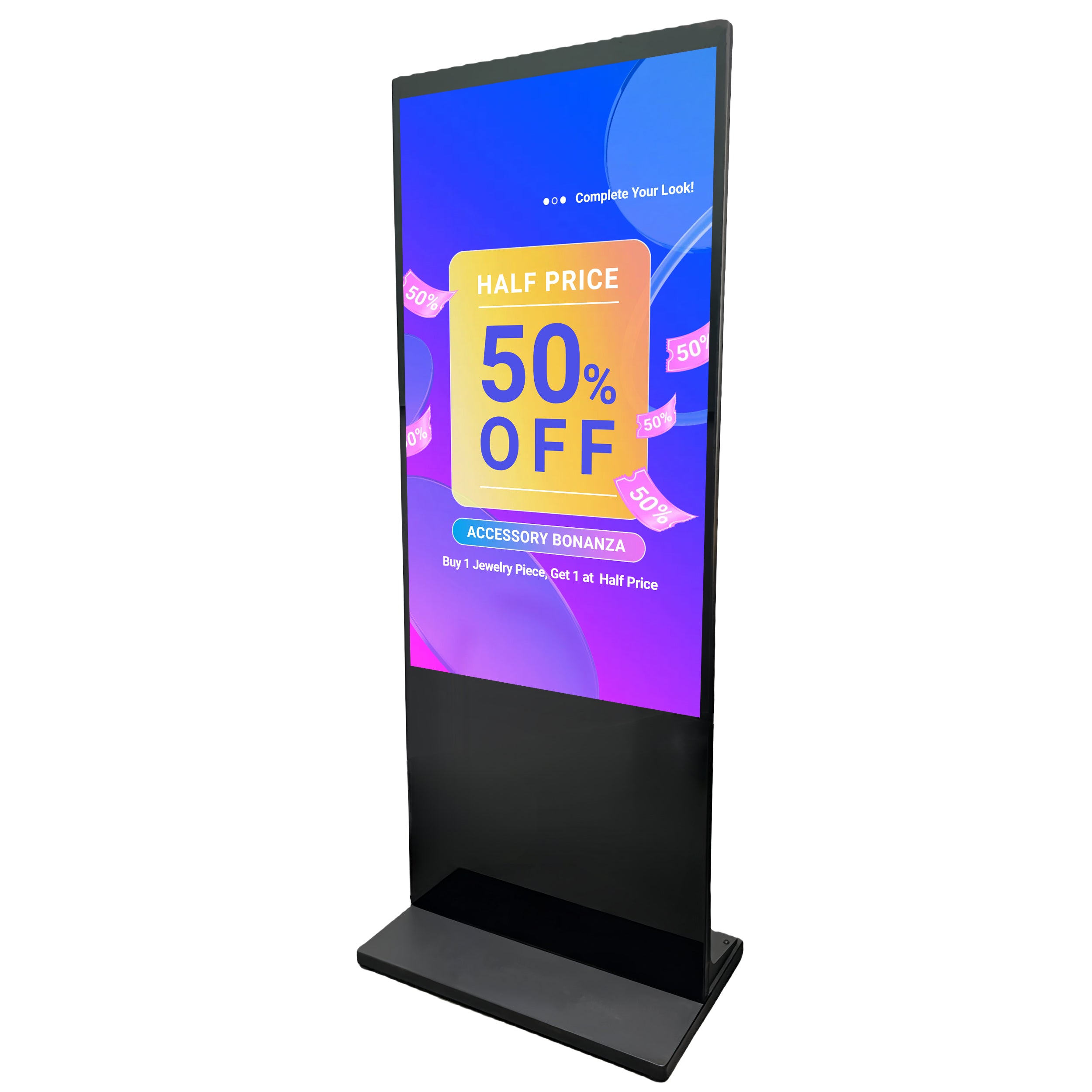
Smartboards, also referred to as interactive whiteboards in the classroom, have revolutionized education by combining traditional whiteboard functionality with advanced technology. These electronic whiteboards in the classroom enhance interactivity and cater to diverse learning styles, fostering engagement and knowledge retention. This article explores the many ways educators can use a smart board for classroom to improve learning outcomes and student participation.
1. Encourage Wholesome Competition with Interactive Activities
A smartboard for classroom use can serve as an enhanced whiteboard, enabling teachers and students to draw, write, and solve problems directly on the screen. Advanced models like Samsung Interactive Display support multi-touch functionality, allowing multiple students to work simultaneously.
Example: Host fun and competitive activities where students race to solve equations or identify errors in grammar.
Tools: Use inbuilt timers and stopwatches to gamify the activities and encourage participation.
This approach not only makes learning engaging but also promotes teamwork and problem-solving skills among students.
2. Display Multiple Resources Dynamically
A teacher and whiteboard setup becomes more versatile with smartboards, which support multiple screen modes to display various resources simultaneously.
How: Use Samsung Interactive Display to mirror up to nine devices, compatible with operating systems like iOS, Android, ChromeOS, and Windows.
Application: Share videos, real-time data, or charts in one lesson and pin frequently used apps for quick access.
This multi-resource feature enhances lesson delivery by making it visually appealing and more interactive, positioning a smart board for classroom use as an indispensable teaching aid.
3. Highlight Key Concepts Instantly
Teachers can easily annotate and emphasize critical information on the interactive board in the classroom.
Feature Highlight: Use built-in annotation tools, like the Mark app on Samsung Interactive Displays, to underline key points or add notes in real time.
Save and Share: Save annotated slides and share them with students for revision or homework support.
Highlighting features help reinforce concepts and ensure all students have access to the same information. This positions the smart board for classroom as a tool that boosts comprehension.
4. Take Virtual Field Trips
Leverage the multimedia capabilities of interactive whiteboards in the classroom to take students on virtual journeys without leaving the classroom.
Example: Use the board's browser to explore museum exhibits or historical landmarks.
Real-Life Scenario: Take a virtual tour of Ellis Island to supplement a history lesson on immigration.
These virtual field trips make abstract concepts tangible and provide memorable learning experiences without logistical challenges , demonstrating how a smart board for classroom use can expand learning beyond the physical environment.
5. Leverage Preloaded Templates for Personalized Lessons
Most electronic whiteboards in the classroom come with preloaded templates, such as maps, calendars, and grids, which simplify lesson planning.
Customizable Tools: Use templates to create agendas, annotate maps, or brainstorm ideas with mind maps.
Math Made Simple: Solve math problems or demonstrate geometric concepts using built-in tools like rulers and protractors.
Templates save preparation time and ensure lessons are visually organized and engaging, making the smart board for classroom an efficient teaching companion.
6. Simplify Sharing and Collaboration
Smartboards make it easy to share screens and collaborate, promoting active participation among students.
Two-Way Interaction: With tools like Desktop Synch, teachers can cast presentations to student devices for real-time interaction.
Effortless File Sharing: Open and edit Word, PowerPoint, and PDF files directly on the board, streamlining group projects and collaborative activities.
This functionality enhances group work, enabling students to brainstorm and edit projects while receiving instant feedback from teachers, making the smart board for classroom a central tool for collaboration.
7. Improve Literacy with Interactive Reading Tools
Engage students in literature and language lessons by integrating interactive whiteboards in the classroom with online reading resources.
Interactive Reading: Use platforms like Scholastic Kids Home Base or Storyline Online to display e-books with professional narrations.
Highlight Text: Annotate texts to emphasize themes, vocabulary, or key passages during group reading.
Interactive reading sessions keep students engaged and help develop their literacy skills in an enjoyable way , showing how a smart board for classroom use can make language learning more interactive.
8. Support Remote and Hybrid Learning
Smartboards play a crucial role in bridging the gap between in-person and remote students, making them essential for modern learning environments.
Real-Time Collaboration: Use built-in videoconferencing tools to connect with remote students for group discussions and assignments.
Push Assignments: Instantly share class notes and assignments with all students, ensuring absent learners stay on track.
This flexibility ensures inclusivity and seamless learning for both in-person and remote students , reinforcing the versatility of a smart board for classroom use.
Extra Tip: Use Data for Personalized Learning
Modern smartboards can track student engagement and performance. Analyzing this data helps teachers identify struggling students and provide tailored support, ensuring every learner gets the assistance they need.
Advantages of Using Smartboards
Enhanced Engagement: Features like annotations and multimedia integration make lessons captivating.
Improved Collaboration: Multi-touch functionality encourages teamwork and group activities.
Accessibility: Tools like text-to-speech and adjustable fonts cater to diverse learning styles.
Efficient Lesson Delivery: Teachers can access and customize resources in real time.
Future-Ready Skills: Familiarity with smartboards prepares students for digital workplaces.
Conclusion
Smartboards have transformed classrooms into dynamic, interactive learning environments. By leveraging features like annotation tools, screen sharing, and preloaded templates, teachers can create customized lessons that resonate with students and address diverse learning needs.
Whether you're teaching history with virtual tours or boosting engagement through competitive activities, how to use a smartboard effectively can significantly enhance the learning experience. Embrace smartboards to foster creativity, collaboration, and active participation in your classroom.